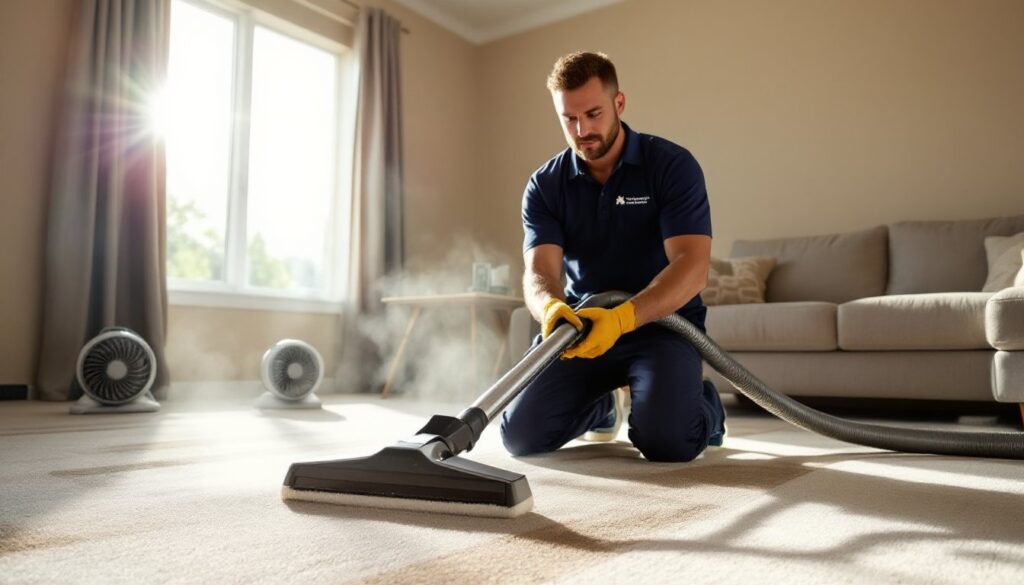
Carpets trap more than just dirt, they hold allergens, dust mites, pet dander, and grime that vacuums can’t touch. Even with regular maintenance, most homeowners reach a point where DIY spot treatments and rental machines just don’t cut it anymore. That’s when calling in a professional carpet cleaner makes sense. But not all services are created equal, and knowing what to expect, from cleaning methods to pricing, helps you avoid paying for subpar work or damage to your flooring. This guide walks through what pros actually do, when it’s worth hiring them, and how to choose a service that delivers real results.
Table of Contents
ToggleKey Takeaways
- A professional carpet cleaner uses hot water extraction with truck-mounted equipment reaching 200°F+ to remove embedded dirt, allergens, and bacteria that vacuums cannot address.
- Schedule professional cleaning every 12–18 months for average households, or more frequently if you have pets, young children, or high foot traffic, as regular maintenance extends carpet life by 3–5 years.
- Look for IICRC-certified technicians and ask about truck-mounted equipment, hot water extraction methods, and written estimates based on square footage to avoid low-quality services offering suspiciously cheap pricing.
- The complete professional carpet cleaning process includes pre-inspection, vacuuming, pre-treatment, hot water extraction with multiple dry passes, and post-treatment—typically taking 1.5–3 hours for an average home.
- Don’t walk on damp carpets until they’re fully dry (6–12 hours), and keep fans or HVAC running to prevent moisture issues that can cause mildew or carpet damage.
What Does a Professional Carpet Cleaner Do?
Professional carpet cleaners do more than push a machine across your floor. They assess fiber type, traffic patterns, and stain composition before selecting a cleaning method. Most start with a pre-inspection to identify trouble spots, high-traffic lanes, pet stains, or areas with heavy soil buildup.
Next comes pre-treatment, where techs apply enzyme-based or alkaline solutions to break down oils, proteins, and tannins. This step matters more than the actual extraction: skipping it is like mopping without sweeping first.
The core service is deep cleaning, typically using truck-mounted equipment that delivers hotter water and stronger suction than any rental unit. Professionals can reach 200°F+ water temperatures, which loosens embedded dirt and kills bacteria without over-wetting the pad.
Finally, they apply post-treatment options like stain protection (Scotchgard-type products), deodorizers, or grooming to reset carpet pile direction. They’ll also advise on drying time, usually 6–12 hours depending on humidity and airflow.
What they don’t do: fix worn fibers, remove permanent dye stains, or repair seam separations. Carpet cleaning is maintenance, not restoration.
When Should You Hire a Professional Carpet Cleaner?
Timing matters. Hiring a pro every few months is overkill for most homes, but waiting until carpets look filthy means you’ve let soil grind into fibers too long.
General guideline: Schedule professional cleaning every 12–18 months for average households. Bump that to every 6–12 months if you have:
- Pets (especially shedders or those with accidents)
- Kids under five (spills, tracked-in mud, snack crumbs)
- High foot traffic from entryways or open-plan living areas
- Allergies or asthma in the household, deep cleaning removes allergens vacuums leave behind
You should also call a pro immediately after:
- Flooding or water damage (mold can develop within 24–48 hours)
- Sewage backup or other biohazard contamination (this requires specialized cleaning, possibly disposal)
- Major stains like red wine, ink, or pet urine that’ve set for more than a day
Carpet manufacturers often require professional cleaning to maintain warranties, check your paperwork. Some specify hot water extraction annually and may void coverage if you only use DIY methods.
If your carpet smells musty even after vacuuming, or if it feels crunchy or sticky underfoot, you’ve waited too long. Cleaning studies show that regular maintenance from professional services extends carpet life by 3–5 years compared to households that skip it.
Types of Professional Carpet Cleaning Methods
Not all carpet cleaning methods work the same way. The two most common approaches are hot water extraction and dry cleaning, each suited to different carpet types and situations.
Hot Water Extraction (Steam Cleaning)
This is the industry standard and what most people mean when they say “steam cleaning,” though it’s technically not steam, it’s pressurized hot water mixed with detergent, injected deep into carpet fibers and immediately extracted along with dirt.
How it works: A wand or rotary tool sprays heated solution (180–220°F) into the carpet while a vacuum pulls it back out. Truck-mounted units generate more heat and suction than portable machines, making them more effective for deep soil.
Best for: Synthetic carpets (nylon, polyester, olefin), high-traffic areas, homes with pets or kids, and situations where allergens or bacteria need to be killed. It’s the method recommended by most carpet manufacturers to maintain warranties.
Drying time: 6–12 hours, sometimes up to 24 in humid climates. Proper ventilation and dehumidifiers speed this up. Over-wetting, common with inexperienced techs, can lead to mildew or delamination of the backing.
Downsides: Requires moving furniture, and you can’t walk on carpets until they’re dry. If not extracted properly, residue attracts dirt faster (a problem with some cheaper services).
Dry Carpet Cleaning
Even though the name, dry cleaning isn’t entirely waterless, it uses minimal moisture with encapsulation polymers or absorbent compounds.
How it works: Techs apply a cleaning powder or foam that binds to dirt particles. After 10–20 minutes of agitation with a counter-rotating brush machine, they vacuum everything up. Some methods use bonnet pads (like a large floor buffer) to absorb soil from the surface.
Best for: Wool or natural-fiber carpets that can’t tolerate hot water, commercial spaces that need fast turnaround (dry in 1–2 hours), or light maintenance between deep cleans. Also useful in homes without ventilation or where humidity is an issue.
Drying time: 1–2 hours, sometimes immediate.
Downsides: Doesn’t penetrate as deep, so it won’t address soil in the backing or pad. Not ideal for heavily soiled carpets or homes with pets. Some encapsulation residues can make carpets feel slightly stiff until the next vacuuming.
A third option, bonnet cleaning, is sometimes offered but it’s essentially surface-only, it won’t satisfy most warranty requirements and doesn’t remove deep grime.
How to Choose the Right Professional Carpet Cleaning Service
Carpet cleaning has a low barrier to entry, so you’ll find everything from one-person operations with a van-mounted unit to national franchises. Here’s how to separate the pros from the hacks.
Check certifications: Look for IICRC (Institute of Inspection, Cleaning and Restoration Certification) credentials. This isn’t just a membership, it means techs have been trained in fiber identification, stain removal chemistry, and water damage protocols. Ask if the actual cleaner (not just the company) is certified.
Ask about equipment: Truck-mounted systems deliver better results than portables. If they’re using a portable, ask why, legitimate reasons include high-rise apartments or long hose runs, but it shouldn’t be the default.
Get specifics on methods: If they say “steam cleaning,” confirm it’s hot water extraction, not just a rental machine. Ask what water temperature they achieve and whether they pre-treat or just spray-and-extract.
Request a written estimate: Reputable companies inspect in person (or via photos) before quoting. Per-room pricing can be misleading, ask if “room” means up to 200 sq. ft. or if hallways, stairs, and closets cost extra. Whole-house pricing by square footage is often more transparent.
Read reviews, but look for patterns: One bad review happens. Multiple complaints about over-wetting, high-pressure upsells, or “bait and switch” pricing are red flags. Trusted resources like Good Housekeeping often vet service providers and highlight tested methods.
Verify insurance: A legitimate service carries general liability insurance and workers’ comp. If a tech damages your baseboards or gets injured on your property, you don’t want to be liable.
Ask about guarantees: Many pros offer a re-clean if you’re not satisfied within 24–48 hours. If they don’t stand behind their work, keep looking.
Watch out for lowball pricing: A whole-house clean for $99 often means the company makes money on add-ons (deodorizer, stain protection, “deep scrubbing”) that should be standard. Expect to pay $0.25–$0.50 per square foot for quality hot water extraction, more for specialty treatments.
What to Expect: The Professional Carpet Cleaning Process
Knowing the flow helps you spot corners being cut. Here’s what a thorough job looks like, start to finish.
1. Pre-inspection (5–10 minutes): The tech walks through identifying fiber type (check a carpet sample or manufacturer tag), noting stains, odors, and high-wear areas. They should test for colorfastness in an inconspicuous spot, especially on older or natural-fiber carpets.
2. Furniture moving (10–20 minutes): Most services move light furniture (chairs, ottomans, small tables) but not beds, dressers, or entertainment centers. Clarify this when booking. They’ll place foam blocks or plastic tabs under furniture legs to prevent stains from wood or metal transferring during drying.
3. Vacuuming (10–15 minutes): Pros vacuum even if you did it yesterday, this removes dry soil so the wet cleaning focuses on embedded grime. If they skip this, they’re cutting corners.
4. Pre-treatment (5–10 minutes per room): Enzyme or alkaline solutions sit for 5–10 minutes to break down oils and proteins. For tough stains, they may apply a specialized spotter (acid-based for tannins, solvent-based for grease).
5. Hot water extraction (15–20 minutes per room): The wand or rotary tool works in overlapping passes. Techs should make multiple dry passes to extract as much moisture as possible. If your carpet is sopping wet after they leave, they rushed this step.
6. Post-treatment (optional, 5 minutes): Stain protection, deodorizers, or carpet grooming to reset pile. These are often upsells, decide if you need them. Stain protection is worth it in high-traffic or pet areas: deodorizers are usually unnecessary if the carpet was cleaned properly.
7. Walk-through (5 minutes): A good tech reviews trouble spots, explains any stains that didn’t lift, and gives drying instructions. They should set up fans or advise you to open windows and run HVAC to speed drying.
Total time: Budget 1.5–3 hours for an average three-bedroom home, depending on soil level and square footage.
After they leave: Keep foot traffic off carpets until dry, socks are okay, shoes aren’t. If you must walk on damp carpet, use clean indoor slippers to avoid re-soiling. Run ceiling fans, open windows, or turn on the AC to circulate air. If carpets aren’t dry within 24 hours, call the company, something went wrong.