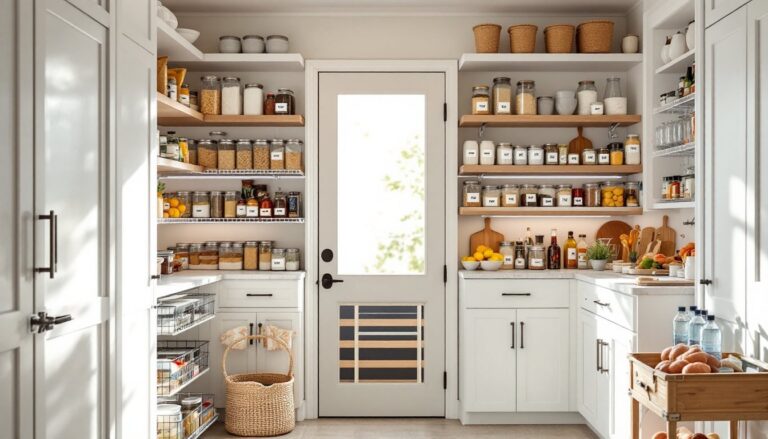
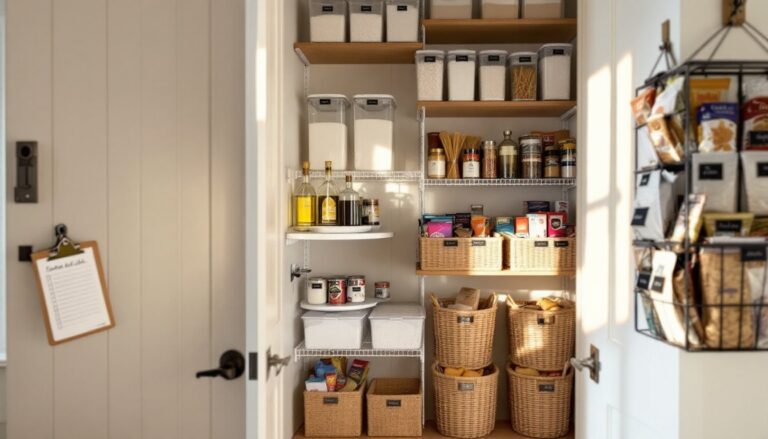
Living rooms accumulate clutter faster than any other room in the house, remote controls, magazines, blankets, kids’ toys, and everything else that doesn’t have a dedicated spot. Without proper storage, a comfortable gathering space quickly becomes a dumping ground. The good news? Smart storage doesn’t mean sacrificing style or square footage. With the right combination of furniture, vertical space, and creative organization, anyone can transform a chaotic living room into a functional, tidy space that actually stays organized.
Table of Contents
ToggleKey Takeaways
- Multi-functional furniture like storage ottomans and lift-top coffee tables double as seating and surfaces while hiding 4–10 cubic feet of storage without eating up floor space.
- Vertical storage solutions such as floor-to-ceiling bookcases and floating shelves maximize wall space and provide 18+ cubic feet of storage in compact living rooms.
- Smart living room storage solutions reduce stress and save time by giving every item a designated home, preventing the typical 2.5 days per year people spend searching for misplaced items.
- Built-in storage options like window seats and fireplace alcove cabinets create seamless, architectural solutions that blend function with design.
- Woven baskets, labeled bins, and cable management containers organize loose items and prevent open shelving from becoming cluttered or chaotic.
- Assign every item a specific category and designated storage spot so that staying organized becomes automatic rather than requiring constant effort.
Why Smart Storage Is Essential for Modern Living Rooms
The average American living room serves multiple purposes: entertainment hub, workspace, play area, and relaxation zone. Each function brings its own clutter challenge.
Poor storage doesn’t just create visual chaos, it wastes time. Studies show people spend an average of 2.5 days per year searching for misplaced items, and the living room is a prime culprit. When remotes, chargers, and everyday items lack designated homes, they migrate across surfaces and disappear into couch cushions.
Modern living rooms also trend smaller. In urban areas, the average living room measures 300-400 square feet, down from 500+ square feet in homes built before 1990. That means storage solutions need to work harder without eating up valuable floor space.
Effective storage systems reduce stress, improve functionality, and make daily routines smoother. They also protect investments, books stored properly won’t warp, electronics stay dust-free, and furniture lasts longer when it’s not buried under piles of stuff.
Multi-Functional Furniture for Maximum Storage
Furniture that pulls double duty is the foundation of efficient living room storage. These pieces deliver seating, surfaces, or style while hiding substantial storage capacity.
Storage ottomans top the list for versatility. A standard 36″ x 36″ ottoman provides seating for two, serves as a coffee table with a tray on top, and holds 8-10 cubic feet of storage inside. Look for hinged-lid models rather than removable tops, they’re easier to access and less likely to get misplaced. Ottomans work well for storing throw blankets, extra pillows, board games, or seasonal items.
Lift-top coffee tables add hidden compartments without changing a room’s footprint. The top lifts and extends forward, creating a workspace or dining surface while revealing storage underneath. Most models include 4-6 cubic feet of space, enough for remotes, magazines, and charging cables. The mechanism should feel solid: cheap gas lifts fail within a year.
Sofa tables with shelves or drawers fit behind sectionals or against walls. A 60″ console table with lower shelves adds 12-15 cubic feet of storage for books, baskets, or decorative bins. Choose tables 30-32″ tall so they align with standard sofa backs.
Storage benches work in awkward spaces, under windows, flanking a fireplace, or along a narrow wall. A 48″ bench typically offers 6-8 cubic feet of storage. Adding organizing affordable space-saving ideas keeps smaller items from becoming tangled messes inside benches and ottomans.
When selecting multi-functional furniture, test weight capacity. A storage ottoman doubling as seating should support at least 250 lbs. Check construction, solid wood frames outlast particleboard, and metal hinges beat plastic every time.
Vertical Storage Solutions That Save Floor Space
Floor space is premium real estate in a living room. Going vertical multiplies storage capacity without crowding walkways or making a room feel cramped.
Floor-to-ceiling bookcases maximize wall space. A standard 8-foot wall can accommodate a bookcase with 6-7 shelves, each 12″ deep and 36″ wide, providing roughly 18 cubic feet of storage. Anchor tall units to wall studs using L-brackets rated for the loaded weight, typically 50-75 lbs per bracket. Many space-efficient organizing systems emphasize this vertical approach for compact homes.
For renters or those avoiding wall damage, tension-pole shelving extends from floor to ceiling without fasteners. Quality systems support 50-75 lbs per shelf. They work best on solid ceilings (not drop ceilings) and level floors.
Wall-mounted shelves float above furniture, utilizing dead space. Install floating shelves at 60-72″ from the floor for easy access without head-bumping. Use toggle bolts or mounting into studs, drywall anchors alone won’t reliably hold more than 20 lbs. A 36″ floating shelf can hold 30-50 lbs depending on bracket quality and installation.
Ladder shelves lean against walls at a 10-15° angle. The progressive depth (6″ at top, 12″ at bottom) suits decorative displays up top and deeper storage bins below. No installation required, but they must lean against studs or secure backing for stability.
Corner shelving units capture awkward spaces. A five-tier corner unit fits into a 20″ x 20″ footprint while offering 8-10 cubic feet of storage. They’re ideal for small living rooms where every inch counts.
When implementing vertical storage, keep weight distribution in mind. Place heavy items on lower shelves and lighter decorative pieces up high. This improves stability and makes accessing frequently used items easier.
Built-In Storage Ideas for a Seamless Look
Built-ins deliver custom storage that looks architectural rather than added-on. They typically require moderate carpentry skills but create permanent solutions worth the effort.
Window seat storage transforms bay windows or alcoves into functional seating with storage underneath. Build a frame using 2×4 lumber, add a hinged plywood top (3/4″ thick for strength), and upholster with 3″ foam. The cavity beneath holds 10-15 cubic feet depending on dimensions. Hinges should be piano hinges for even weight distribution across long spans. Designing attractive built-in seating areas requires measuring the alcove precisely and accounting for wall irregularities.
Flanking shelves around media centers frame TVs while providing display and storage. Build these using 3/4″ plywood and 1×4 face frames, anchoring to studs. Standard depths run 12-16″. Paint them the same color as walls for a seamless appearance, or contrast them for visual impact.
Half-wall built-ins separate open-concept spaces while adding storage. A 42″ tall dividing wall with shelves on both sides works well between living and dining areas. Frame it like a standard wall with 2x4s on 16″ centers, then add shelving on one or both sides. Check local codes, some jurisdictions consider built-ins taller than 48″ as walls requiring permits.
Fireplace alcove cabinets use the recessed spaces flanking many fireplaces. Custom cabinets fit snugly into these niches. Use face-frame construction with 1×2 or 1×3 poplar, and 3/4″ plywood for cabinet boxes. Allow 1/4″ clearance on all sides for scribing to uneven walls.
Under-stair storage works when living rooms share space with staircases. The triangular cavity beneath stairs offers 20-40 cubic feet of potential storage. Install a simple door or build pull-out drawers for easier access. Many homeowners overlook staircase storage potential even though its capacity.
All built-in projects benefit from careful planning. Create full-scale cardboard mockups to test proportions before cutting expensive materials. Built-ins are semi-permanent, mistakes are costly to fix.
Creative Hidden Storage Tricks
Hidden storage maintains clean aesthetics while keeping items accessible. These solutions work especially well in minimalist or contemporary spaces.
Behind-sofa cabinets work when a sofa floats in the room rather than against a wall. Build a low credenza 30-32″ tall that aligns with the sofa back. Keep it 12-14″ deep to avoid obstructing walkways. This adds 15-20 cubic feet of concealed storage without visible clutter.
Storage inside side tables beats decorative-only accent tables. Drum-style tables with removable tops hide surprising amounts of stuff. DIY versions start with wood rounds (18-24″ diameter), add 1×6 sides, and include a recessed lid. Line the interior with felt to prevent scratching stored items.
False drawer fronts on media consoles conceal charging stations. Install a drawer front on a European hinge that swings down, revealing outlets and space for routers, game consoles, or charging devices. Drill ventilation holes in the back panel for heat dissipation.
Hollow furniture bases add storage beneath existing pieces. Some designers use this furniture modification technique to add drawers under basic cabinets. Build a plywood platform 8-10″ tall with a recessed toe kick, add casters or furniture legs, then place the existing piece on top. The platform creates a hidden drawer or open cubby.
Picture frame medicine cabinets hide small items in plain sight. Mount a shallow box (4-6″ deep) to the wall, add a hinged picture frame as the door. Works for remotes, keys, or everyday items that typically clutter surfaces.
Hidden storage works best for items used regularly but not constantly, seasonal décor, extra chargers, instruction manuals, or less-used electronics.
Stylish Baskets, Bins, and Organizers
Containers corral loose items and transform open shelving into organized storage. Choosing the right type prevents the “junk drawer effect” where bins become black holes.
Woven baskets in natural materials (seagrass, water hyacinth, rattan) add texture while hiding clutter. Standard sizing matters: 12″ x 12″ baskets fit Kallax-style cube units, while 13″ x 13″ bins suit most open shelving. Add labels to avoid mystery-basket syndrome.
Fabric bins with handles work for kid-friendly spaces. Canvas or felt bins collapse when empty and wash easily. Look for reinforced bases, cheap bins sag and tear within months. Square bins maximize shelf space better than round ones.
Clear acrylic organizers work well for frequently accessed items like remotes or charging cables. Being able to see contents eliminates rummaging. Use compartmentalized trays rather than single open bins to prevent everything from jumbling together.
Decorative boxes dress up visible storage. Matching box sets create visual cohesion on open shelves. Choose lift-off lids over hinged lids for stacked storage, hinged lids won’t open when boxes are stacked.
Magazine holders keep reading material vertical and accessible. Metal or wood file organizers prevent magazines from sliding into horizontal piles. Mount them inside cabinet doors to free up shelf space.
Cable management boxes contain power strips and excess cord length. A simple box with entry/exit holes prevents the tangle of chargers and cords that accumulates near sofas. Homeowners seeking practical organization strategies frequently overlook cable clutter until it becomes overwhelming.
Nesting baskets maximize flexibility. Store three sizes together when not in use, then deploy them as needed for seasonal storage rotation.
When organizing with containers, assign each basket or bin a specific category. Generic “miscellaneous” bins inevitably become cluttered. Label everything, even if it seems obvious. Six months later, it won’t be.
Conclusion
Effective living room storage doesn’t require a complete renovation or massive budget. Start with multi-functional furniture to maximize existing square footage, then add vertical solutions where walls sit empty. Built-ins create architectural interest while solving specific storage challenges, and smart use of containers keeps smaller items organized. The key is assigning every item a home, when objects have designated spots, staying organized becomes automatic rather than a constant battle.