Broccoli might not be the first food that pops into mind when thinking about protein, but this green powerhouse has a few surprises up its florets. Often overshadowed by its meatier counterparts, broccoli is here to flex its muscles—well, sort of. Packed with vitamins and minerals, it’s like the underdog of the vegetable world, ready to prove it’s more than just a sidekick on your dinner plate.
Nutritional Profile Of Broccoli
Broccoli offers a diverse range of nutrients, making it a valuable addition to any diet. This vegetable supplies essential macronutrients and micronutrients that support overall health.
Macronutrients Overview
Broccoli contains about 2.8 grams of protein per 100 grams. Carbohydrates contribute roughly 6.6 grams in the same serving. Fiber plays a significant role at approximately 2.6 grams, aiding digestion. Fat content remains low, around 0.4 grams. For those looking to incorporate more plant-based nutrition, broccoli provides a balanced macronutrient profile.
Micronutrients Present
Broccoli is rich in vitamins and minerals, making it a nutrient-dense choice. Vitamin C levels reach up to 89.2 milligrams per 100 grams, promoting immune function. Vitamin K, also abundant, contains about 101.6 micrograms, crucial for bone health. Folate, essential for cell function, measures roughly 63 micrograms. Additionally, potassium contributes to approximately 316 milligrams, supporting heart health. This micronutrient diversity showcases broccoli’s health benefits beyond basic nutrition.
Protein Content In Broccoli
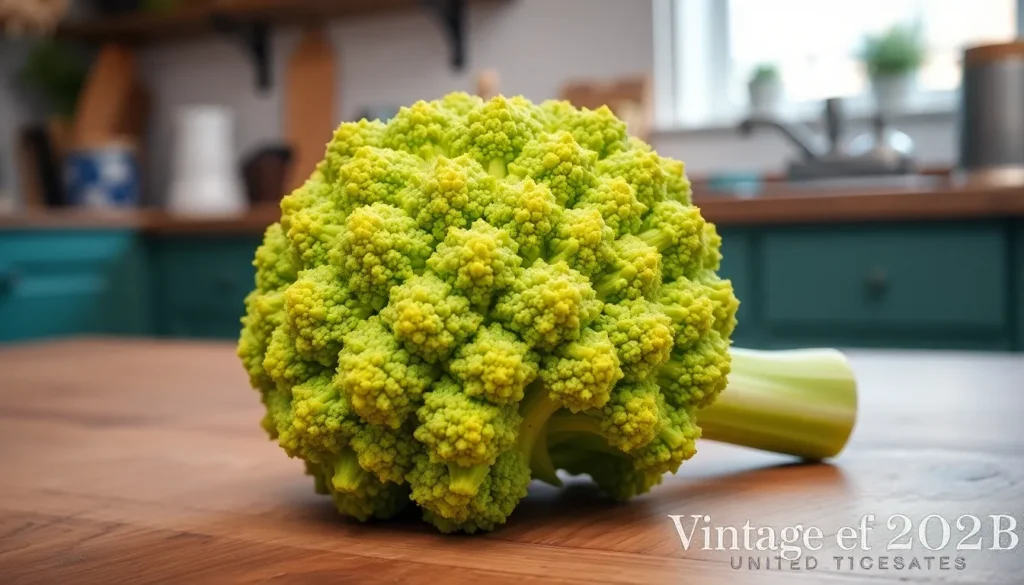
Broccoli contains approximately 2.8 grams of protein per 100 grams, making it a surprising addition to plant-based protein sources. Although its protein content is lower than some legumes, broccoli provides other essential nutrients that enhance its overall value.
Comparison With Other Vegetables
Spinach offers about 2.9 grams of protein per 100 grams, while kale comes in at around 2.0 grams per the same serving size. Compared to cauliflower, which has about 1.9 grams, broccoli contains a relatively higher protein concentration. These numbers show that among green vegetables, broccoli holds a competitive edge, particularly regarding protein density in relation to its broader nutritional profile.
Protein Sources For Vegetarians
Vegetarians often seek diverse protein sources. Legumes, such as lentils and chickpeas, supply around 9 grams and 8.9 grams of protein respectively for each 100 grams. Nuts like almonds provide 21.2 grams, making them another favorable option. Tempeh, delivering about 19 grams per 100 grams, also serves as a robust protein choice. Broccoli complements these sources, offering additional vitamins, minerals, and fiber that enhance overall dietary balance.
Health Benefits Of Broccoli
Broccoli offers numerous health benefits that extend beyond its protein content. This versatile vegetable supports overall wellness through its rich array of nutrients.
Antioxidant Properties
Broccoli contains powerful antioxidants that combat oxidative stress. These antioxidants, including sulforaphane, help protect cells from damage caused by free radicals. Significant levels of Vitamin C also contribute to its antioxidant capacity. By neutralizing harmful molecules, broccoli may lower the risk of chronic diseases, such as heart disease and certain cancers. Enhanced immune function results from the combined effects of these antioxidants, promoting better health.
Impact On Muscle Growth
Broccoli’s protein content contributes to muscle development, making it a valuable food for those focused on fitness. With approximately 2.8 grams of protein per 100 grams, it supports muscle repair and growth. This vegetable also provides essential vitamins and minerals that aid in energy production, enhancing workout performance. Incorporating broccoli into a balanced diet can complement other protein sources like legumes and nuts, ensuring optimal nutrient intake. Maintaining muscle health becomes easier with regular consumption of nutrient-dense foods like broccoli.
Cooking Methods And Protein Retention
Cooking methods can significantly impact the protein content of broccoli. Steaming retains more nutrients compared to boiling, which can cause nutrient loss in the cooking water. Steaming typically preserves approximately 90% of broccoli’s protein, whereas boiling may reduce protein retention to about 50%.
Steaming Versus Boiling
Steaming broccoli helps maintain its nutritional integrity. This method quickly cooks the vegetable while locking in essential vitamins and minerals. Cooking time determines retention rates; steaming for 5 to 7 minutes is optimal. In contrast, boiling reduces protein and vitamin content as nutrients leach into the water. The overall flavor and texture also suffer with boiling, making steaming the preferred choice.
Raw Consumption Benefits
Consuming raw broccoli maximizes its nutritional benefits. Nutritionists highlight raw broccoli as a rich source of protein and vital nutrients, including Vitamin C. Eating it raw retains all of its phytonutrients, which can diminish with cooking. Fresh broccoli offers a satisfying crunch and versatile use in salads or as snacks. Regularly incorporating raw broccoli boosts overall protein intake and enriches a balanced diet with additional health benefits.
Broccoli stands out as a surprisingly potent source of protein among vegetables. Its impressive nutritional profile goes beyond protein content, offering essential vitamins and minerals that play a crucial role in overall health. By incorporating broccoli into daily meals, individuals can enhance their nutrient intake while enjoying its unique flavor and texture.
Whether consumed raw or steamed, broccoli not only supports muscle health but also provides powerful antioxidants that may reduce the risk of chronic diseases. Embracing this versatile vegetable can lead to a more balanced and healthful diet.