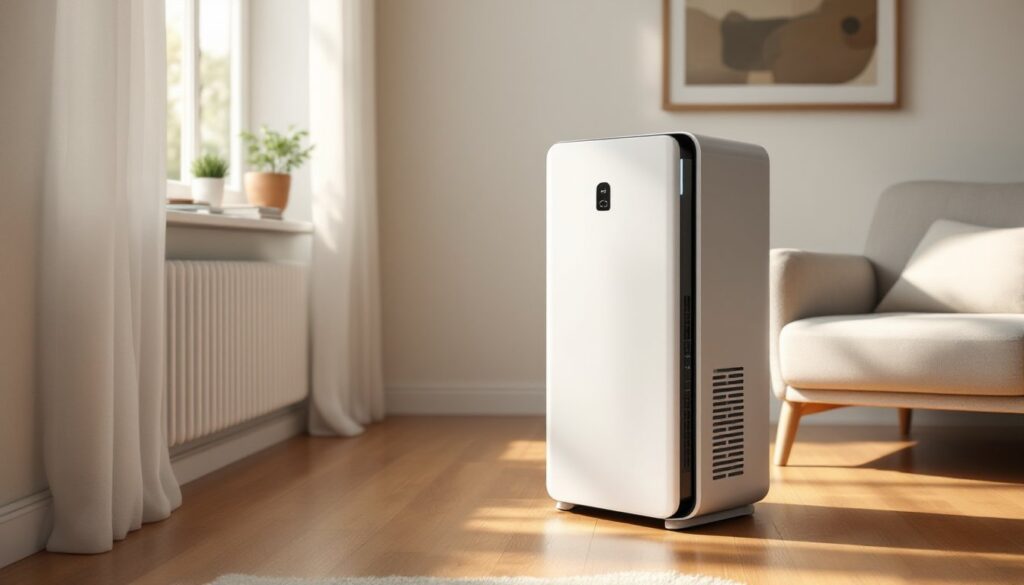
If you’re serious about indoor air quality, Daikin air purifiers deserve a spot on your shortlist. Known primarily for their HVAC systems, Daikin applies the same engineering rigor to their air purification units, and it shows. These aren’t impulse-buy countertop models: they’re built for homeowners who want serious filtration without constant filter swaps or noisy operation. Whether you’re dealing with pet dander, wildfire smoke, or just want to breathe easier during allergy season, understanding what Daikin offers, and how to install and maintain these units, can make the difference between a $300 dust collector and a genuine air quality upgrade.
Table of Contents
ToggleKey Takeaways
- Daikin air purifiers combine advanced Streamer discharge technology with electrostatic HEPA filtration to actively break down allergens and odors at the molecular level, not just trap particles like basic air purifiers.
- Daikin air purifiers feature exceptionally long filter life—up to 10 years for certain components and annual replacement for active filters—making them cost-effective compared to competitors requiring changes every 3-6 months.
- Proper placement at least 12 inches from walls and in central locations maximizes efficiency; elevating units off the floor improves intake of airborne particles and prevents performance loss.
- Daikin air purifiers operate at impressively low noise levels (19-49 dB depending on fan speed) and integrate seamlessly with existing Daikin HVAC systems through the Daikin Comfort Control App, though native smart home compatibility remains limited.
- The MCK70W flagship model includes real-time PM2.5 sensors for automatic fan speed adjustment, making it ideal for homes in areas affected by outdoor smoke or frequent cooking odors.
- Monthly maintenance of the humidifying element and weekly emptying of the water tank prevents mold and bacterial buildup, ensuring the air purifier delivers consistently clean air with minimal effort.
Why Choose a Daikin Air Purifier for Your Home?
Daikin’s reputation in the HVAC world translates directly to air purification. The company’s been manufacturing climate control systems since 1924, so they understand airflow dynamics, motor efficiency, and noise control better than most appliance brands jumping into the air purifier market.
Their units are engineered for continuous operation, not just occasional use. That means durable motors, long-life filters, and designs that won’t sound like a jet engine at medium speed. Most Daikin models run between 19-49 dB depending on fan setting, quieter than a refrigerator at low speed.
Another advantage: filter longevity. While many consumer air purifiers demand HEPA filter changes every 3-6 months, Daikin’s combination filters often last up to 10 years for certain components, with active filters replaced annually. That’s a real cost-saver if you’re running the unit year-round.
Daikin also integrates well with existing HVAC systems. If you’ve already got a Daikin mini-split or central air setup, adding a standalone air purifier from the same manufacturer ensures compatibility with controls and smart home systems, no app juggling or conflicting protocols.
Key Features That Set Daikin Air Purifiers Apart
Streamer Technology and Advanced Filtration
Daikin’s standout feature is Streamer discharge technology, a high-speed electron process that breaks down pollutants at the molecular level. Unlike basic HEPA filters that just trap particles, Streamer actively decomposes allergens, bacteria, viruses, and even odors. Think of it as a one-two punch: the filter catches the particle, and the Streamer neutralizes it.
The filtration system typically includes:
- Pre-filter: Captures large dust, pet hair, and lint. Washable and reusable.
- Electrostatic HEPA filter: Removes 99.97% of particles down to 0.3 microns, including pollen, mold spores, and fine dust.
- Deodorizing filter: Activated carbon layer tackles VOCs, cooking smells, and pet odors.
- Streamer unit: Continuously breaks down trapped contaminants.
Some Daikin models (like the MCK series) also feature humidification for dry winter months. The water tank circulates through a rotating humidifying element, adding moisture without the white dust you get from cheap ultrasonic humidifiers.
Coverage area is crucial. Most Daikin units handle 269-462 sq ft effectively, which suits a master bedroom, home office, or open-plan kitchen. For whole-home coverage, you’d need multiple units or integration with a ducted HVAC system.
Noise levels are impressively low. At the lowest setting, many models are nearly silent, ideal for bedrooms. The highest setting pushes more air but still stays under 50 dB, quieter than most window AC units.
Popular Daikin Air Purifier Models Compared
MC55W: Compact and budget-friendly, this model covers up to 269 sq ft. It features Streamer technology, a HEPA filter, and deodorizing filter. Good for a single bedroom or small office. No humidifier. Filter replacement is straightforward, about once a year for the active filters. Expect to pay around $250-$350 depending on retailer.
MCK55W: Adds humidification to the MC55W’s feature set. The water tank holds 2.3 liters and provides up to 500 mL/hour of moisture. Coverage remains around 269 sq ft. Ideal for dry climates or winter heating season. Price typically ranges $400-$500. The humidifying element needs cleaning monthly to prevent mold buildup.
MC70L: Larger unit for 462 sq ft spaces. Higher airflow (420 m³/hour max), same Streamer and HEPA filtration. No humidifier, but you get better circulation in open-plan rooms. Price hovers around $500-$600.
MCK70W: The flagship model. Combines the MC70L’s coverage with humidification, plus a PM2.5 sensor that adjusts fan speed automatically based on real-time air quality. The sensor is genuinely useful, it’ll ramp up when you’re cooking or if outdoor smoke drifts in. Expect to pay $600-$750.
All models connect via Daikin’s app for remote control, scheduling, and filter change reminders. The app isn’t the slickest interface, but it’s reliable and doesn’t require a subscription.
Installation and Placement Tips for Maximum Efficiency
Air purifiers aren’t plug-and-play if you want real results. Placement matters.
Positioning basics:
- Away from walls: Keep at least 12 inches of clearance on all sides. Air purifiers pull air from all directions and exhaust upward or forward. Blocking intake vents chokes airflow and reduces efficiency.
- Central location: Don’t tuck it in a corner. Place it where air circulates, near a doorway, in the middle of a room, or opposite a window.
- Off the floor: If possible, elevate the unit on a low table or shelf. This improves intake of airborne particles (which don’t all settle immediately) and keeps dust bunnies out of the pre-filter.
Avoid these spots:
- Behind furniture or curtains
- Directly under a ceiling fan (creates turbulence that messes with airflow)
- Next to humidifiers or dehumidifiers (conflicting air currents)
- Near electronics that generate heat (the sensor can misread temperature)
Electrical requirements: Daikin air purifiers run on standard 120V outlets and draw between 6-70 watts depending on fan speed. No special wiring needed, but avoid daisy-chaining extension cords, plug directly into a wall outlet.
If you’re using the humidification feature, place the unit away from wood furniture or electronics. Even well-designed humidifiers can create localized humidity that damages sensitive materials over time.
For multi-story homes, place one unit per floor if possible. Air purifiers don’t move air between levels, don’t expect a single unit in the basement to clean your second-floor bedrooms.
Maintenance and Filter Replacement: What You Need to Know
Pre-filter: Vacuum or rinse every two weeks if you have pets, monthly otherwise. Pet hair and large dust clogs this layer fast. Let it air-dry completely before reinstalling, damp filters breed mold.
HEPA and deodorizing filters: Replace annually in most models. Daikin’s electrostatic HEPA design lasts longer than standard HEPA, but it will lose efficiency over time. The app tracks usage hours and reminds you when replacement is due. Replacement filters cost $50-$80 depending on the model.
Streamer unit: The electrode element lasts up to 10 years but needs occasional cleaning. Dust buildup on the electrode reduces discharge efficiency. Check it every six months, wipe gently with a dry cloth. Don’t use water or cleaners.
Humidifying element (if applicable): Remove and rinse weekly. Soak in a 1:10 vinegar solution monthly to dissolve mineral deposits. Hard water will clog the element faster, consider using distilled water if your tap water is particularly mineral-heavy.
Water tank: Empty and rinse every few days if you’re using humidification. Stagnant water grows bacteria fast. Some users report mold buildup around the tank seal: independent home appliance testing recommends cleaning the seal with a small brush and diluted bleach every two weeks.
Filter disposal: HEPA and carbon filters go in regular trash in most jurisdictions, they’re not hazardous waste. Check local regulations if you’re in an area with strict disposal rules.
Tools needed: None. All maintenance is tool-free, panels pop off by hand, filters slide out, and everything snaps back together.
How Daikin Air Purifiers Integrate with Smart Home Systems
Daikin uses its proprietary Daikin Comfort Control App for Wi-Fi-enabled models. The app handles:
- Remote power and fan speed control
- Scheduling: Set the unit to run during peak allergy hours or overnight
- Air quality monitoring: Real-time PM2.5, odor, and humidity readings (on sensor-equipped models)
- Filter status: Tracks usage hours and sends replacement alerts
Smart home compatibility is limited. Daikin air purifiers don’t natively support Google Home, Alexa, or Apple HomeKit as of early 2026. You can work around this with IFTTT applets or a smart plug for basic on/off control, but you lose access to fan speed and mode adjustments.
If you’ve got a Daikin Daikin One+ smart thermostat or a Daikin mini-split with integrated controls, some coordination is possible, for example, ramping up air purification when the AC kicks on. But this requires professional setup: it’s not a DIY integration.
Many smart home enthusiasts have had success with Zigbee or Z-Wave smart plugs paired with the app for scheduling. Reviews on platforms like Tom’s Guide note that this setup works well for automating runtime but doesn’t give you voice control over modes.
The app itself is functional but not polished. It’s reliable for daily use, but expect a learning curve if you’re used to slicker interfaces like Nest or Ecobee. No subscription fees, which is a plus, some competitors are moving toward monthly charges for advanced features.
For true whole-home integration, consider Daikin’s ducted air purification systems, which tie into your HVAC ductwork and can be controlled via the same thermostat interface. That’s a bigger investment ($1,500-$3,000 installed) and requires an HVAC tech, but it’s the cleanest solution if you’re already upgrading your heating and cooling.