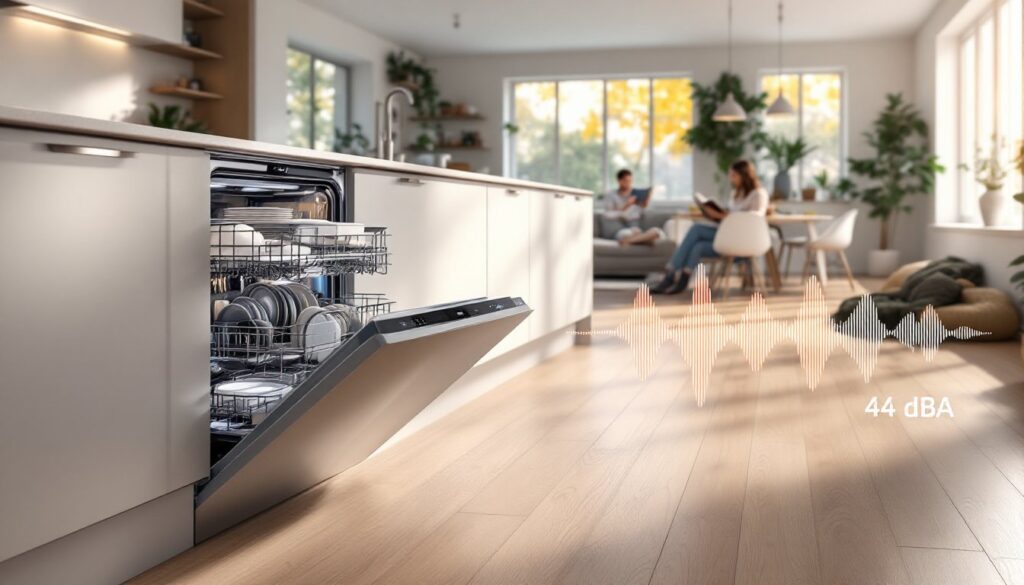
If you’ve ever tried to watch TV or hold a conversation while an older dishwasher churns away in the background, you know how disruptive kitchen noise can be. Bosch’s Silence Plus 44 dBA dishwashers solve that problem, and they do it well. At 44 decibels, these machines run quieter than a library whisper, making them ideal for open-plan kitchens, smaller homes, or anyone who values peace and quiet. This guide walks through what makes Bosch’s 44 dBA models stand out, how to install them for optimal performance, and how they stack up against the competition.
Table of Contents
ToggleKey Takeaways
- Bosch Silence Plus 44 dBA dishwashers operate as quietly as a library whisper, making them ideal for open-concept kitchens where noise control is essential.
- The Bosch 44 dBA models achieve their quiet performance through engineered sound insulation, EcoSilence brushless motors, and vibration-dampening components rather than marketing claims.
- Proper installation—including leveling, cabinet anchoring, and correct water line routing—is critical to maintaining the quiet operation of your 44 dBA dishwasher.
- Regular maintenance such as monthly filter cleaning, quarterly descaling, and inspecting spray arms helps preserve the quiet operation and extends the appliance’s lifespan.
- Among competitors like KitchenAid, Miele, and GE, Bosch 44 dBA models offer the best balance of quiet performance, reliability, and value in the $800–$1,400 price range.
What Does 44 dBA Mean for Your Kitchen?
44 dBA is a measure of sound intensity on the A-weighted decibel scale, which accounts for how the human ear perceives noise. To put it in context, a normal conversation registers around 60 dBA, a quiet library hovers near 40 dBA, and a whisper measures roughly 30 dBA.
In practical terms, a dishwasher operating at 44 dBA is barely noticeable. You might hear a faint hum if you’re standing right next to it, but from across the room or in an adjacent space, it’s essentially silent. This level of quiet is especially valuable in open-concept homes where the kitchen flows directly into the living or dining area.
Bosch achieves this low noise level through a combination of insulation, motor design, and vibration-dampening components, not just marketing spin. Many kitchen appliance reviewers consider 44 dBA the sweet spot where performance and quietness meet without a steep price jump. Anything below 40 dBA tends to cost significantly more, while models above 48 dBA can become intrusive during evening hours.
Key Features of Bosch Silence Plus 44 dBA Dishwashers
Bosch Silence Plus 44 dBA models share several core features that set them apart from budget dishwashers and even some mid-range competitors.
Flexible rack systems are standard across the line. The third rack (also called the MyWay rack) accommodates flatware, utensils, and small items like measuring cups or jar lids, freeing up space in the lower racks for larger dishes and cookware. The middle rack typically adjusts in height to fit taller items below or stemware above.
PrecisionWash technology uses intelligent sensors to detect soil levels and adjust water pressure, temperature, and cycle duration accordingly. This means you don’t need to pre-rinse dishes, a time-saver that also conserves water.
Most 44 dBA models include AutoAir drying, which automatically opens the door slightly at the end of the cycle to release steam and improve drying performance without adding heat. This works well for plastics and reduces energy consumption.
InfoLight or TimeLight features project a red light or remaining cycle time onto the floor, a useful indicator when the control panel is mounted on the top edge of the door and hidden from view when closed.
Advanced Sound Insulation Technology
Bosch’s quiet operation isn’t accidental, it’s engineered into every component. The multi-layer insulation includes a base that absorbs vibration, side panels lined with sound-dampening material, and a specially designed pump and motor mount that isolates mechanical noise from the cabinet.
The EcoSilence brushless motor runs more efficiently and quietly than traditional motors. Brushless designs eliminate the friction and electromagnetic noise that older motors produce, and they last longer with less maintenance.
Water flow management also plays a role. Bosch engineers the spray arm geometry and water routing to minimize turbulence and the splashing sounds that can carry through cabinet walls. Even the door latch mechanism is designed to close softly without a loud click.
Top Bosch Silence Plus 44 dBA Models to Consider
As of 2026, Bosch offers several 44 dBA models across different series, each with slight variations in features and finish options.
Bosch 300 Series (SHSM63W55N) is the entry point for 44 dBA quietness. It includes the third rack, five wash cycles, PrecisionWash, and AutoAir drying. The 300 Series uses a stainless steel tub, holds up to 16 place settings, and comes in white, black, and stainless steel finishes. This model is a solid choice for homeowners who want quiet operation without premium extras like WiFi connectivity or specialized wash zones.
Bosch 500 Series (SHPM65Z55N) steps up with additional cycles (including a Speed60 option that completes a full wash in an hour), FlexSpace tray adjustments, and more refined interior lighting. The 500 Series also offers panel-ready options if you’re matching cabinetry in a custom kitchen. It’s worth the upgrade if you run the dishwasher frequently or need faster turnaround times.
Bosch 800 Series (SHPM88Z75N) adds Home Connect WiFi, which allows remote monitoring and cycle start via smartphone. The 800 Series includes CrystalDry technology (a mineral-based drying system that improves drying performance on plastics) and MyWay third rack with deeper bins for small bowls. This series is ideal for tech-forward homes or anyone who wants app-based notifications and cycle tracking.
All three series share the 44 dBA noise rating, so your choice comes down to features, finish, and budget rather than quietness.
Installation and Placement Tips for Maximum Quietness
Even a 44 dBA dishwasher can sound louder than spec if it’s improperly installed. Follow these guidelines to preserve the quiet operation you paid for.
Level the unit. Use a 4-foot level across the front and side-to-side to ensure the dishwasher sits flat. Uneven installation can cause vibration, rattling, and premature wear on the motor mounts. Adjust the front leveling legs until the bubble centers, then secure the mounting brackets to the underside of the countertop with screws.
Anchor to adjacent cabinets. Use the provided side mounting brackets to secure the dishwasher to the cabinet walls. This prevents lateral movement during operation and reduces noise transmission. Don’t overtighten, snug is enough.
Check the door clearance. The door should swing freely without scraping the floor or adjacent cabinetry. If it binds, readjust the leveling legs. Poor door alignment can stress the hinges and create noise over time.
Ensure proper water and drain line routing. Avoid kinks or sharp bends in the inlet hose and drain line. A kinked drain hose can cause water to back up, adding pump noise and stress. Follow the high-loop drain requirement per the installation manual (typically the drain hose should rise to within 2 inches of the countertop underside before descending to the disposal or drain line) to prevent backflow and siphoning.
Use a noise-dampening mat. If installing on a hardwood or tile floor, consider placing a rubber or cork mat under the dishwasher base. This further isolates vibration from the subfloor.
Electrical connection. Most Bosch dishwashers require a dedicated 15-amp circuit and are hardwired or use a cord-and-plug connection. If you’re replacing an older unit, verify your electrical setup meets current NEC (National Electrical Code) standards. If you’re not comfortable working with household wiring, hire a licensed electrician, improper grounding can create safety hazards and void your warranty.
Maintenance Best Practices to Preserve Quiet Operation
Regular upkeep prevents noise creep and extends the life of your Bosch dishwasher.
Clean the filter monthly. The cylindrical filter assembly at the bottom of the tub traps food particles. Pull it out, rinse under hot water, and use a soft brush to remove debris. A clogged filter forces the pump to work harder, increasing noise and reducing wash performance.
Wipe down the door seals. Food particles and grease can build up along the rubber gasket, causing leaks or interfering with the door’s seal. A damp cloth and mild detergent are sufficient, avoid harsh chemicals that can degrade rubber.
Run a dishwasher cleaner every three months. Bosch recommends using a cleaner like Affresh or their own Bosch-branded product. Place the tablet in the bottom of an empty dishwasher and run a hot cycle to remove mineral deposits, grease, and odors that can affect performance and contribute to unusual sounds.
Check the spray arms. Remove the upper and lower spray arms (they usually twist or clip off) and inspect the spray holes for clogs. Use a toothpick or small wire to clear any obstructions. Blocked spray holes reduce water pressure and can cause uneven cleaning or rattling.
Inspect the door hinges and springs. Over time, the door springs can lose tension, causing the door to drop too quickly or close with a thud. If you notice this, contact Bosch service or a qualified appliance tech, door spring adjustment isn’t a typical DIY task and requires disassembly.
Use the right detergent. Bosch dishwashers are designed for low-sudsing detergent (most modern dishwasher detergents meet this standard). Excess suds can muffle the sensors, reduce cleaning power, and in extreme cases, cause leaks or added pump noise. Pods, powder, and gel all work, but avoid dish soap meant for handwashing.
How Bosch 44 dBA Compares to Other Quiet Dishwashers
Bosch isn’t the only brand offering ultra-quiet dishwashers, but it’s one of the most consistent. Here’s how 44 dBA stacks up.
KitchenAid offers models in the 39-44 dBA range with similar third-rack designs and stainless tubs. KitchenAid machines tend to have more robust filtration and slightly better drying performance on plastics, but they also run a bit louder on certain cycles and cost more on average.
Miele is the premium benchmark, with some models hitting 38 dBA. Miele dishwashers are built in Germany with exceptional build quality and longevity, but expect to pay significantly more, often double or triple the price of a Bosch 300 Series. If budget isn’t a concern and you want the absolute best, Miele is hard to beat. For most homeowners, though, the performance gap doesn’t justify the cost.
LG and Samsung both offer quiet models in the 42-46 dBA range. They tend to include more tech features (WiFi, touchscreen controls) at lower price points, but reliability and service networks aren’t as robust as Bosch’s. User reviews on noise levels for Korean brands are more mixed, some units are quiet, others develop noise issues after a year or two.
GE Profile and Café models hover around 42-45 dBA. GE’s build quality has improved in recent years, and their bottle wash jets and dedicated silverware jets are nice touches. But, Bosch’s insulation and motor tech still edge out GE in real-world quietness.
If silence is the priority and you’re shopping in the $800-$1,400 range, Bosch 44 dBA models offer the best balance of performance, reliability, and quiet operation. For more kitchen appliance comparisons, consider exploring reviews from independent testers and user forums to see how models hold up over time. And if you’re deep into tech specs and lab testing, professional product reviewers offer detailed breakdowns of noise, efficiency, and cleaning performance across brands.