When it comes to measuring liquids, most people think of cups, ounces, or milliliters. But what if someone told you there’s a tiny world of measurement where 1/60th of a dram reigns supreme? Yes, you heard that right! This minuscule fraction might sound like something out of a potion-making class, but it’s a real measurement with a quirky charm all its own.
Overview of 1/60th of a Dram
1/60th of a dram represents a small yet precise measurement, primarily used in the context of liquids. This fraction equals approximately 0.4 milliliters, making it useful for various applications in cooking, mixology, and scientific experiments. Understanding this measurement can enhance one’s ability to work with ingredients in fine detail.
Using such a specific unit allows for greater accuracy in recipes, especially when creating cocktails or artisanal dishes. A common approach in culinary arts involves the use of 1/60th of a dram for flavorings and extracts. This accurate measurement helps achieve desired taste profiles without overwhelming other ingredients.
In the world of spirits, bartenders often embrace this measurement for crafting unique cocktails. Precision captures the essence of mixology, where slight variations can significantly alter the flavor. Using 1/60th of a dram ensures that each cocktail maintains consistency while allowing for creativity.
Scientists also benefit from this precise measurement in laboratory settings. It aids in the formulation of solutions and reagents, where even the smallest differences in volume can impact results. Employing 1/60th of a dram contributes to maintaining accuracy in multiple scientific experiments.
Ultimately, the significance of 1/60th of a dram transcends its whimsical appearance. It serves practical purposes across culinary and scientific domains, highlighting the importance of precision in everyday measurements. Embracing such units encourages meticulous practices, leading to better outcomes whether in the kitchen or the lab.
Historical Significance
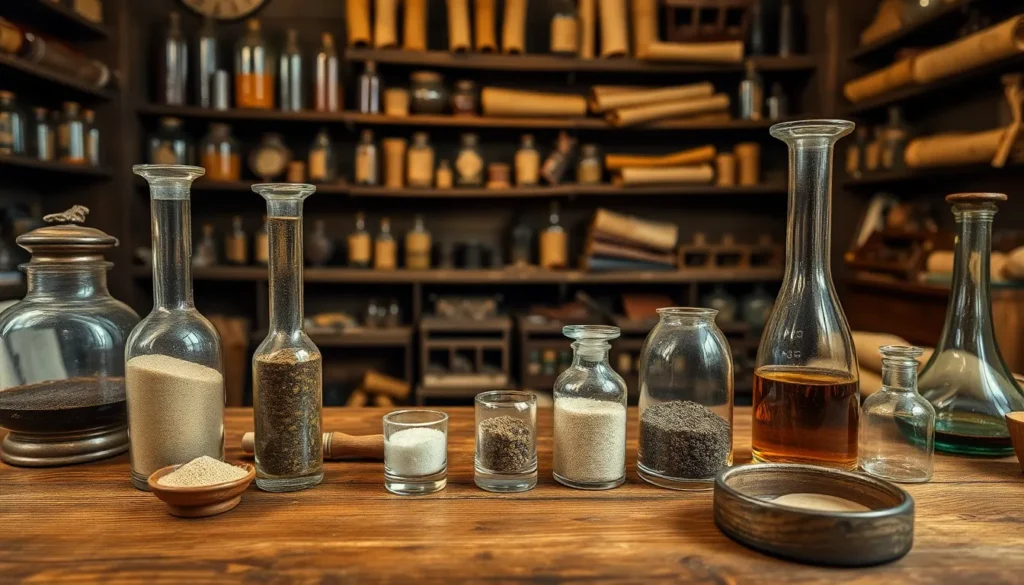
1/60th of a dram carries a unique historical weight, reflecting centuries of measurement practices.
Origin of the Dram Measurement
The dram originated from ancient Roman and Greek measurements, showcasing its roots in historical trade and commerce. In times of yore, apothecaries adopted it for its practicality in measuring small quantities of liquids and powders, especially in the context of medicinal preparations. Early definitions established the dram at 1/8 of an ounce, evolving into various applications across different cultures. As it transitioned through history, it gained a respected status in both culinary and scientific realms, cementing its significance.
Evolution of Measurement Units
Measurement units have evolved dramatically throughout history, influenced by advancements in science and technology. Precision became pivotal during the Enlightenment, prompting the need for more standardized units. The metric system emerged in the 18th century, yet traditional units like the dram persisted alongside. Smaller measurements, such as 1/60th of a dram, emerged to address specific needs in cooking and chemistry, ensuring accurate results in recipes and experiments. This evolution highlights the importance of adaptability in measurement to meet the requirements of various disciplines.
Practical Applications
1/60th of a dram serves important functions in both culinary and scientific contexts. Its precise measurement allows for enhanced accuracy.
Culinary Uses
Chefs increasingly rely on 1/60th of a dram in their recipes. This tiny measure equates to about 0.4 milliliters, making it ideal for flavorings and extracts. Bartenders particularly value this unit for crafting cocktails. Consistency in drinks hinges on such precise measurements, as even small adjustments can affect the overall taste. Unique artisanal dishes often benefit from meticulous application of ingredients, where every drop counts. Many professionals recognize that the benefits of using 1/60th of a dram extend beyond casual cooking, playing a pivotal role in creating balanced flavor profiles.
Scientific Measurements
In laboratories, the utility of 1/60th of a dram is evident. Scientists utilize this measurement for formulating solutions with accuracy. Its equivalency to approximately 0.4 milliliters enhances precision in experiments. Research contexts often require exact quantities, and such tiny measurements ensure reliable results. Many chemical reactions hinge on the proper proportions of reagents, making this unit crucial. Adopting 1/60th of a dram fosters rigorous scientific standards and facilitates reproducible studies. Use of this measurement exemplifies the significance of precision in scientific inquiry.
Comparison with Other Units
1/60th of a dram corresponds to several other units in liquid measurement, providing context for its use in both culinary and scientific practices.
Dram vs. Ounce
One dram equals 1/8 of an ounce, placing 1/60th of a dram at roughly 0.013 ounces. Comparatively, an ounce is a much larger unit of measurement. Using drams offers precision when dealing with small quantities, especially where flavoring and extracts are concerned. Chefs and bartenders often choose drams for their smaller increments, allowing for careful adjustments. In dishes that require subtle flavor notes, this fine granularity proves essential.
Dram vs. Milliliter
With a measurement of approximately 0.4 milliliters, 1/60th of a dram is easily relatable to milliliters. In fact, one dram equals 3.7 milliliters, showcasing how precise 1/60th of a dram really is in smaller increments. This level of detail becomes crucial in scientific applications where consistency must not be compromised. Commonly, scientists use milliliters for liquid measurements, making 1/60th of a dram a useful alternative. In culinary arts, both milliliters and drams appear, yet drams specifically cater to the nuanced demands of flavor intensity.
Cultural References
Cultural connections to 1/60th of a dram appear in various literary and cinematic works. In literature, this measurement is occasionally mentioned in historical contexts, highlighting the need for precision in apothecary recipes and forms of potion-making. Films sometimes use the unit to evoke themes of science and creativity, where small measurements play a crucial role in a character’s experiments. Examples include fantasy genres where characters concoct magical potions, using precise quantities for effect.
Different cultures incorporate unique perspectives on measurement. In some culinary traditions, meticulous measurement practices reflect an appreciation for balance and harmony in food preparation. For example, Asian cuisines often emphasize exact measures in sauces and dressings, promoting harmony of flavors. Similarly, in Western cultures, craft cocktails highlight precision, showcasing artisans’ skills while creating unique flavor profiles. Such practices underscore the significance of 1/60th of a dram, demonstrating its relevance across various cultural practices and culinary arts.
1/60th of a dram is more than just a quirky measurement; it embodies precision and adaptability in both culinary and scientific fields. This tiny fraction allows chefs and bartenders to create balanced flavors while ensuring consistency in their creations.
In laboratories, it plays a crucial role in maintaining accuracy during experiments. The historical journey of this measurement reflects its enduring relevance and the importance of meticulous practices in various disciplines.
By embracing units like 1/60th of a dram, individuals can enhance their culinary skills and scientific accuracy, ultimately leading to better outcomes. Whether in the kitchen or the lab, this small measure proves that every drop counts.