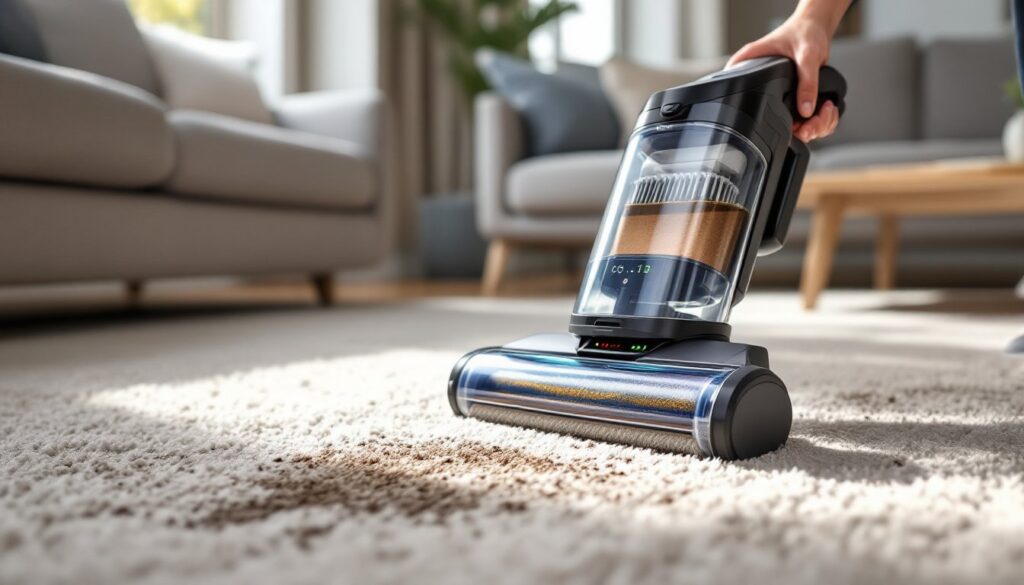
Carpet stains don’t wait for convenient moments. Pet accidents, coffee spills, and muddy footprints happen when you’re rushing out the door or hosting guests. That’s where cordless carpet cleaners shine, they’re ready when you need them, no plugging in, no dragging a heavy corded machine across three rooms, no wrestling with outlet placement. These portable powerhouses have evolved from underpowered spot cleaners to legitimate deep-cleaning tools. For homeowners who want convenience without compromising on results, understanding what separates a solid cordless cleaner from a gimmick can save time, money, and a lot of frustration.
Table of Contents
ToggleKey Takeaways
- A cordless carpet cleaner uses rechargeable lithium-ion batteries to power both the cleaning solution pump and suction motor, offering convenient spot-cleaning without outlet dependence.
- Runtime typically ranges from 15 to 30 minutes per charge, making cordless models ideal for quick stain removal and maintenance rather than whole-house deep cleaning.
- Choose a cordless carpet cleaner based on battery life, tank capacity, weight balance, and brush width to match your specific cleaning needs and home layout.
- Proper preparation—vacuuming first, pre-treating tough stains, and using slow overlapping passes—dramatically improves cleaning results and extends battery life.
- Regular maintenance after every use, including emptying tanks, cleaning the brush roll, and storing batteries at 40-60% charge, extends your cordless cleaner’s lifespan and performance.
What Is a Cordless Carpet Cleaner and How Does It Work?
A cordless carpet cleaner is a battery-powered machine designed to extract dirt, stains, and grime from carpets, area rugs, and upholstery without tethering to a wall outlet. Unlike traditional upright carpet cleaners that rely on AC power and long hoses, cordless models use rechargeable lithium-ion batteries, typically 18V to 36V, to power both the cleaning solution pump and suction motor.
Here’s the basic operation: A motor pumps cleaning solution from an onboard clean water tank through a spray nozzle onto the carpet fibers. Simultaneously, a separate motorized suction system pulls the dirty water, loosened soil, and cleaning solution back into a dirty water tank. Most cordless models use a rotating brush roll or scrubbing bristles to agitate carpet fibers, working the solution deeper and lifting embedded dirt that vacuuming alone won’t touch.
The trade-off is straightforward, cordless convenience means smaller tanks (usually 16 to 32 ounces for clean water) and limited runtime (15 to 30 minutes per charge). That makes them ideal for spot cleaning and quick refreshes, not whole-house deep cleaning marathons. They’re designed to hit high-traffic zones, tackle fresh stains before they set, and clean upholstery or car interiors without extension cords snaking through your garage.
Why Choose a Cordless Carpet Cleaner for Your Home?
Cordless carpet cleaners solve real problems that corded models can’t. First, mobility matters. You can clean stairs without unplugging and re-plugging halfway up, tackle pet accidents in tight corners, or clean a vehicle interior without running an extension cord from your garage outlet. For multi-level homes, not hauling a 20-pound machine up and down stairs is reason enough.
Second, speed of deployment. When a wine glass tips during dinner or a dog tracks mud through the living room, you don’t want to spend five minutes dragging out a full-sized cleaner, filling tanks, and finding an outlet. Cordless models sit charged in a closet, ready to grab and go. Many homeowners using spot cleaning tools report addressing stains within minutes instead of hours, which dramatically improves stain removal success.
Third, storage and setup. Cordless cleaners are typically 8 to 12 pounds and compact enough to store in a coat closet or laundry room shelf. No hose reels, no bulky tanks, no tripping over cords. They’re low-commitment tools that encourage more frequent cleaning, weekly touch-ups instead of twice-yearly deep cleans.
Finally, they’re purpose-built for spot cleaning and maintenance, not replacement-level deep cleaning. If you already steam clean or hire professionals annually, a cordless cleaner fills the gap between those big jobs. For renters or condo dwellers with limited storage, they’re often the only carpet cleaning tool that makes practical sense.
Key Features to Look for When Buying a Cordless Carpet Cleaner
Not all cordless cleaners are equal. The difference between a tool you’ll reach for weekly and one that collects dust comes down to a few critical specs.
Battery Life and Runtime Considerations
Runtime is the first spec to check. Most cordless carpet cleaners run 15 to 30 minutes on a full charge, but that’s measured under ideal conditions, light cleaning with minimal scrubbing. Heavy stain removal drains batteries faster. Look for models that clearly state runtime with the brush motor engaged, not just in standby.
Battery type matters. Removable, swappable batteries let you keep a spare charged for extended cleaning sessions. Models with fast-charging (90 minutes or less to full charge) reduce downtime. Avoid proprietary battery designs, if the manufacturer discontinues the model, you’re stuck when the battery eventually degrades.
Power output impacts suction and brush speed. A 36V battery system will outperform an 18V on thick carpets or dried-in stains, but at the cost of added weight and price. For routine maintenance on low-pile carpet or area rugs, 18V is usually sufficient.
Tank Capacity and Weight Balance
Tank size directly impacts how often you’ll stop to refill or empty. Clean water tanks range from 16 to 32 ounces. Smaller tanks mean more trips to the sink, but they keep the machine lighter. Larger tanks add convenience but shift the weight distribution, important when cleaning stairs or holding the tool overhead for upholstery.
Dirty water tank capacity should roughly match the clean tank. If the dirty tank is too small, you’ll need to empty it mid-cleaning, which is messier and more tedious. Look for models with easy-release dirty tanks that don’t require unscrewing caps or inverting the unit to drain.
Weight balance is underrated. A poorly balanced cleaner, too front-heavy or top-heavy, causes hand fatigue fast. Hold the unit at a store if possible, or check reviews on product testing sites that mention ergonomics. Machines with side-mounted tanks or low-center-of-gravity designs are easier to maneuver.
Brush width also matters. Wider cleaning paths (6 to 8 inches) cover more area per pass but make maneuvering around furniture legs harder. Narrower paths (3 to 4 inches) excel at tight spots and stairs.
How to Use Your Cordless Carpet Cleaner for Best Results
Using a cordless carpet cleaner isn’t complicated, but skipping prep work or rushing the process wastes battery life and leaves stains behind.
1. Vacuum first. This isn’t optional. Loose dirt, hair, and debris clog the brush roll and fill the dirty water tank with junk instead of extracting deep soil. Spend two minutes vacuuming the area thoroughly.
2. Pre-treat tough stains. For dried-in stains, wine, grease, pet urine, spray a carpet-safe pre-treatment and let it sit for 5 to 10 minutes. The cordless cleaner’s short runtime means you can’t afford to waste battery on stains that need chemical dwell time.
3. Fill the clean tank with the right solution. Use the manufacturer’s recommended cleaning formula or a neutral pH carpet shampoo. Don’t over-concentrate, too much soap leaves sticky residue that attracts dirt. Most formulas call for 1 to 2 ounces per full tank. Use warm water (not hot) to improve cleaning chemistry without damaging seals.
4. Work in slow, overlapping passes. Hold the trigger to spray solution, then make a slow forward pass (about 3 seconds per linear foot) while the brush scrubs. Release the trigger and pull back slowly to extract. Overlapping passes by 50% ensures even coverage. Rushing leaves wet spots and uneven cleaning.
5. Don’t over-wet. Cordless cleaners have less suction than full-sized extractors. Over-saturating carpet leads to long dry times, potential mold growth in padding, and water stains. One wet pass and one or two dry extraction passes per section is the target.
6. Ventilate and dry. Open windows, run fans, or turn on HVAC to speed drying. Most spots should feel damp, not soaked, and dry within 2 to 4 hours. Walk on the carpet as little as possible while drying to avoid re-soiling.
Safety note: Wear rubber gloves when handling dirty water tanks, pet urine, bacteria, and mold spores concentrate in that waste water. Empty dirty tanks immediately after cleaning: standing dirty water smells and breeds bacteria.
Maintenance Tips to Extend Your Cleaner’s Lifespan
Cordless carpet cleaners fail prematurely for two reasons: neglected maintenance and poor storage habits. Following simple routines for home cleaning tools keeps them running for years.
After every use:
- Empty and rinse both tanks. Dirty water left sitting grows mold and stinks. Clean water left in the tank can grow algae or bacteria, especially in warm climates.
- Remove and rinse the brush roll. Hair, fibers, and debris wrap around the roller. Most models have a quick-release mechanism, pop it out, rinse under a faucet, and let it air dry.
- Wipe down the suction nozzle and spray jets. Dried cleaning solution clogs nozzles and reduces spray pattern effectiveness. A damp cloth takes 30 seconds.
Weekly (if used frequently):
- Check the filter. Most cordless cleaners have a foam or mesh filter protecting the motor from dirty water. Rinse it under warm water and let it dry completely before reinstalling. Replace it every 3 to 6 months depending on usage.
- Inspect seals and gaskets. Cracks or wear in tank seals cause leaks and reduce suction. Replace worn seals immediately, they’re cheap and prevent bigger problems.
Monthly:
- Run a cleaning cycle with vinegar. Fill the clean tank with a 50/50 mix of white vinegar and water. Run the machine over a scrap towel or in a utility sink to flush the internal lines. This dissolves mineral deposits and soap buildup.
Battery care:
- Store batteries at 40-60% charge if not using the cleaner for more than a month. Lithium-ion batteries degrade faster when stored fully charged or fully depleted.
- Avoid extreme temperatures. Don’t store the unit in a hot garage or unheated shed. Heat accelerates battery aging: freezing temps can damage internal cells.
Don’t ignore strange sounds. Grinding, squealing, or rattling usually means a clogged brush roll, worn bearing, or debris in the suction path. Shut down immediately and investigate, running a damaged motor burns it out fast.
Finally, read the manual. Manufacturers often include model-specific maintenance steps (like lubricating gears or resetting brush roll sensors) that aren’t obvious but matter. Keep the manual in a kitchen drawer or snap a photo of the maintenance section with your phone.